
How to Make a Cover Letter for a Resume in 2027: The Ultimate Guide
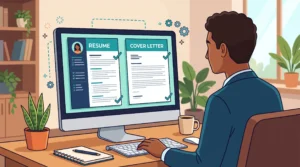
If you are wondering exactly how to make a cover letter for a resume that actually gets read by hiring managers, you are in the right place. In today’s highly competitive job market, your resume tells the employer what you have done, but your cover letter tells them who you are and why it matters to their company.
Many job seekers make the critical mistake of simply summarizing their CV. However, a highly effective cover letter acts as a bridge, connecting your past achievements directly to the future needs of the employer. It is your ultimate pitch.
In this comprehensive, step-by-step guide, we will break down the exact anatomy of a winning cover letter. Whether you are a fresh graduate, a mid-level professional, or navigating a massive career change, this blueprint will help you stand out to hiring managers effortlessly.
Why You Still Need a Cover Letter (And Key Takeaways)
Despite the rise of quick-apply buttons on platforms like LinkedIn, the cover letter is far from dead. In fact, when two candidates possess identical skills and experience, a well-crafted cover letter becomes the defining tie-breaker for recruiters.
Writing a compelling narrative shows that you have invested time and effort into understanding the company’s core mission. It proves you are not just blindly mass-applying to hundreds of job postings, but are genuinely interested in this specific role.
Here are the key takeaways you will master in this guide:
• You will learn how to start a cover letter for a job with a captivating hook.
• You will discover how to match your cover letter to your resume without sounding repetitive.
• You will understand formatting secrets that beat Applicant Tracking Systems (ATS).
• You will master the art of the confident closing statement.
Step 1: Format Your Cover Letter Professionally
Before you worry about the words on the page, you must ensure your document looks polished and professional. A chaotic layout will instantly disqualify you, no matter how impressive your career history might be.
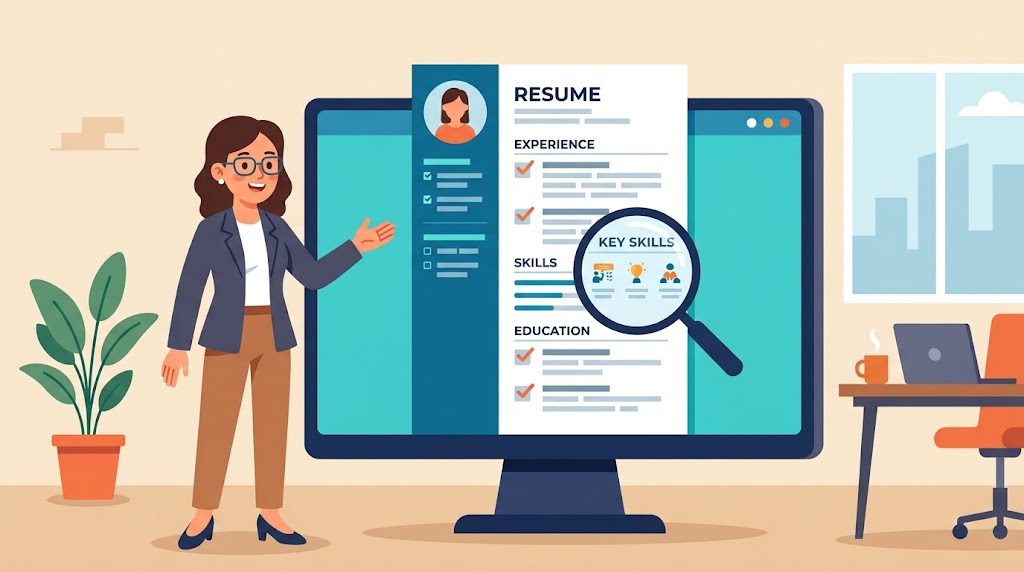
Always aim for a clean, modern aesthetic. Your cover letter template should visually match your resume to create a cohesive personal brand. If you use a blue accent color on your CV, use that exact same shade for the header of your cover letter.
When dealing with digital applications, always save and submit your document as a PDF unless the job description explicitly asks for a Word document. This guarantees your formatting remains locked and pristine across all devices.
Choosing the Right Font, Spacing, and Margins
Readability is your primary objective. Keep your margins set to a standard one inch on all sides to provide plenty of white space. Cramming text edge-to-edge causes visual fatigue for the reader.
Select an ATS-friendly, professional font such as Arial, Calibri, Helvetica, or Garamond. Maintain a font size between 10 and 12 points. Never use overly decorative or script fonts, as parsing software often misreads them.
As for length, how long should a cover letter be? The golden rule is to keep it strictly to one single page, ideally consisting of three to four highly focused paragraphs totaling no more than 300 to 400 words.
Step 2: Write a Captivating Opening Paragraph
Hiring managers scan documents in seconds. Your opening paragraph must immediately grab their attention and convey unbridled enthusiasm for the role and the company’s specific mission.
Avoid generic, robotic openings like, “I am writing to apply for the position of XYZ.” Instead, start with a powerful statement of value or a hook that proves you understand their current industry challenges.
For example, you could write: “As a seasoned project manager who recently drove a 30% increase in operational efficiency, I was immediately drawn to your company’s innovative expansion into the European market.” This instantly positions you as a high-value asset.
How to Address the Hiring Manager Correctly
Whenever humanly possible, you must address your letter to a specific person. Investigate LinkedIn, check the company’s “About Us” page, or even call the reception desk to find out the name of the department head.
If you are stuck addressing a cover letter without a name, absolutely never use “To Whom It May Concern.” It feels incredibly outdated and lazy. Instead, use “Dear [Department] Hiring Manager,” or “Dear [Team Name] Search Committee.”
According to various Harvard Business Review career insights, personalization at the top of the page dramatically increases the psychological likelihood that the recruiter will read the entire document.
Step 3: Connect Your Skills to the Resume Meaningfully
The body of your document is where the magic happens. This is where you explain the context behind your CV bullet points. Pick two or three specific achievements from your resume and expand upon them with vivid storytelling.
Focus strictly on the employer’s needs. Review the job description carefully and identify their biggest pain points. Then, frame your past experience as the exact solution to their current problems.
Use the STAR method (Situation, Task, Action, Result) in a condensed format. Explain a challenge you faced, the proactive actions you took, and the quantifiable, positive results you delivered for your previous employer.
Highlighting Your Biggest Achievements with Data
Vague claims will not help you stand out to hiring managers. Saying “I am great at sales” is meaningless. Saying “I exceeded Q3 sales quotas by 145%, generating $2.4M in new revenue” is impossible to ignore.
Numbers provide concrete proof of your competence. Whenever possible, include metrics regarding budget sizes managed, time saved, revenue generated, or team members trained. Data creates instant trust and authority.
Even if you are writing a cover letter with no experience, you can still highlight academic data, successful university project outcomes, or hours volunteered to demonstrate your strong work ethic and potential.
Step 4: The Call to Action and Confident Closing
The final paragraph should leave a lasting impression. Reiterate your enthusiasm for the position and concisely restate how your unique blend of skills will add immediate value to their operations.
Do not end with a passive statement like, “I hope to hear from you.” Instead, utilize a professional Call to Action (CTA). State that you are eager to discuss how your background aligns with their goals in an interview.
End with the best cover letter closing statements, such as “Sincerely,” or “Best regards,” followed by your full name, phone number, and a link to your optimized LinkedIn profile.
Avoiding Common Cover Letter Mistakes
One of the most lethal mistakes you can make is focusing entirely on what the company can do for your career, rather than what you can do for the company. Always keep the spotlight on the employer’s needs.
Additionally, spelling and grammatical errors are unforgivable. A single typo can imply a lack of attention to detail and cost you the interview. Always proofread your document multiple times or use digital grammar tools before hitting submit.
For a deeper dive into application strategy, check out our comprehensive guide on optimizing your professional resume format to ensure your entire application package is bulletproof.
Watch this quick video to master the perfect cover letter structure: :
Frequently Asked Questions (FAQ)
Do you really need a cover letter in 2027?
Yes. While some recruiters rely solely on resumes, a well-written letter provides a massive competitive advantage. It allows you to explain career gaps, showcase your personality, and prove your genuine enthusiasm for the role, which a resume alone cannot do.
How do you write a cover letter for a career change?
When changing careers, you must fiercely focus on your transferable skills. Instead of dwelling on your lack of direct industry experience, highlight your leadership, project management, or communication abilities that perfectly translate into the new role you are targeting.
What should never be included in professional cover letter examples?
Never include negative remarks about former employers, salary demands in the first stage, or irrelevant personal hobbies. Keep the document strictly focused on professional value, actionable achievements, and alignment with the company culture.


Leave a Reply