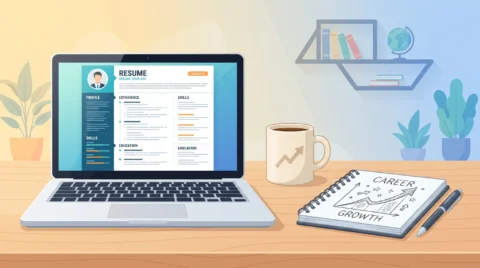
Ultimate Blueprint: How to Create a Good Curriculum Vitae in 2027
Navigating the modern job market requires more than just listing your past experiences; it demands a strategic document that markets your professional value. If you are wondering how to create a good curriculum vitae, you must understand that today’s hiring managers spend an average of six seconds scanning an application before making a decision. Your document needs to be visually striking, highly optimized for digital scanners, and rich with quantifiable achievements. In this comprehensive masterclass, we will break down the exact formula used by top HR professionals to secure interviews at Fortune 500 companies.
Before diving into the technical formatting, let’s outline the foundational principles of a successful application. A high-converting resume isn’t merely a chronological history of your life; it is a targeted marketing pitch designed to solve a specific company’s problem. You must transition from a task-based mindset to an achievement-based mindset. Here are the key takeaways we will cover in this expert guide:
Key Takeaways:
• The psychology behind what recruiters actually look for during the initial screening process.
• Exact blueprints for structuring an Applicant Tracking System (ATS) friendly layout.
• Techniques to write powerful bullet points using the Action-Context-Result framework.

The Anatomy of a Modern Curriculum Vitae Structure
The architecture of your document dictates how easily a recruiter can digest your career story. A modern curriculum vitae structure relies on clean lines, ample white space, and a logical hierarchy of information. You want to guide the reader’s eye naturally from your professional summary down to your core competencies and work history. Cluttered designs with heavy graphics or unusual layouts often confuse both human readers and automated software.
To ensure you do not get automatically rejected by the software gatekeepers, you must prioritize text-based formatting. Over 75% of large employers utilize resume parsing software to filter out unqualified candidates. If your document is built using complicated tables or unreadable fonts, you will never reach a human decision-maker. It is imperative to keep the design elegant but fundamentally simple.
Furthermore, organizing your sections strategically based on your career level is crucial. Fresh graduates should place their education and technical projects near the top, whereas seasoned professionals must highlight their recent leadership roles immediately. This strategic positioning is just as vital as your mastering your interview preparation, setting the stage for a compelling professional narrative.
Step 1: Select an ATS-Friendly Professional Resume Format
Choosing the right professional resume format is the first major hurdle. The universally accepted gold standard is the reverse-chronological layout. This format lists your most recent experience first and works backward, which is exactly how recruiters prefer to review your trajectory. It highlights career progression and current skill levels immediately, minimizing any guesswork for the hiring manager.
When setting up your page, standard margins of one inch on all sides are mandatory. Utilize professional, sans-serif fonts such as Arial, Calibri, or Helvetica, kept between 10 and 12 points for maximum readability. Avoid using headers or footers for vital contact information, as older ATS software often fails to parse data located in these zones.
Additionally, always save and submit your file as a PDF unless the job description explicitly requests a Word document. A PDF locks in your formatting, ensuring that what you see on your screen is precisely what the HR director sees on theirs, preserving your meticulously crafted professional resume format across all devices and operating systems.
Step 2: Craft an Impactful Professional Summary
Your professional summary is the elevator pitch of your entire application. Gone are the days of the generic “Objective Statement” where you simply state what you want from the company. Instead, a modern applicant tracking system CV requires a targeted summary that explicitly states what value you bring to the table. This 3-4 line paragraph sits just below your contact details and serves as your primary hook.
A highly effective summary incorporates your current professional title, your years of experience, and two to three major career accomplishments. For example, rather than writing “Hardworking marketer seeking a dynamic role,” opt for “Data-driven Marketing Manager with 6+ years of experience scaling B2B SaaS revenue by 40% through targeted digital campaigns.” This immediately establishes authority and measurable impact.
Tailor this section for every single application. Inject the exact job title and core keywords from the job listing directly into your summary. This micro-optimization signals to both the software algorithm and the human reader that you are not blindly mass-applying, but rather, you are the precise solution to their current hiring needs.
Step 3: Highlight Experience on How to Create a Good Curriculum Vitae
The experience section is the core engine of your document. When learning how to create a good curriculum vitae, the most critical shift you must make is transforming bullet points from boring job descriptions into dynamic achievement statements. Do not simply list what you were supposed to do; explicitly detail what you achieved and the tangible impact it had on the business.
Every bullet point should begin with a strong action verb—words like “Orchestrated,” “Spearheaded,” “Optimized,” or “Generated.” Follow this immediately with context and a quantifiable result. Numbers are the universal language of business. Whether you managed a $50,000 budget, trained a team of 15 employees, or reduced customer churn by 12%, these metrics provide scale and credibility to your claims.
According to Harvard Business Review’s resume guide, incorporating specific data points is the single most effective way to stand out in a competitive applicant pool. Use the “Accomplished [X] as measured by [Y], by doing [Z]” formula to ensure every line in your work history packs a powerful, persuasive punch.
Step 4: Showcase Hard and Soft Skills Effectively
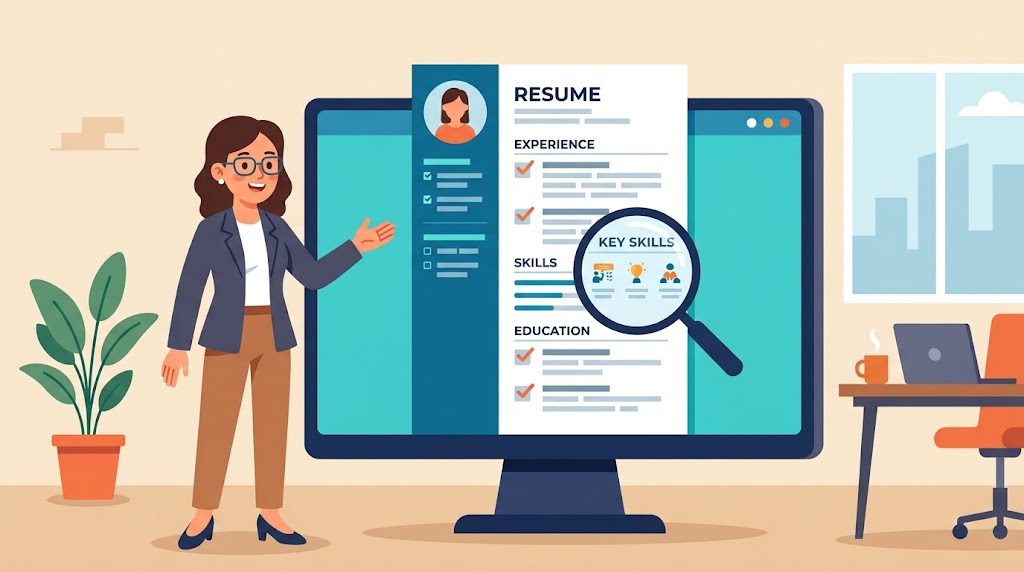
A dedicated skills section acts as a rapid-fire checklist for recruiters to verify your basic qualifications. However, simply dropping a generic list of terms like “teamwork” and “communication” will not suffice when writing a standout CV. You must categorize your abilities into hard technical skills and highly sought-after soft skills, ensuring they align perfectly with the target job description.
Hard skills are the specific, teachable abilities required to execute the job, such as Python programming, SEO optimization, or advanced Excel modeling. Soft skills refer to your interpersonal traits, like conflict resolution, emotional intelligence, and cross-functional leadership. Be highly specific; instead of just “marketing,” use “B2B Lead Generation” or “Google Analytics.”
To maximize your CV writing tips strategy, mirror the exact phrasing used in the employer’s job posting. If the ad asks for “Client Relationship Management,” do not write “Customer Service.” Matching their vocabulary exactly ensures that the applicant tracking system flags your profile as a 100% match, moving you swiftly to the human review stage.
Common HR Red Flags and CV Writing Mistakes to Avoid
Even the most impressive career history can be instantly derailed by careless formatting errors or psychological red flags. One of the biggest mistakes candidates make is submitting a document that is far too long. Unless you have over 15 years of executive-level experience, your document should strictly remain between one and two pages. Diluting your best achievements with irrelevant filler only weakens your overall pitch.
Another major red flag is the inclusion of a photograph or deeply personal information such as marital status or age. In most Western job markets, including these details can trigger unconscious bias and force HR departments to discard your application immediately to comply with strict anti-discrimination labor laws. Keep it purely professional and focused strictly on your competencies.
Watch this expert breakdown on avoiding instant resume rejections:
Finally, spelling and grammatical errors remain the ultimate career killers. A single typo signals to an employer that you lack attention to detail and do not take the opportunity seriously. Always use tools like Grammarly, and read your document aloud backward to catch hidden mistakes before hitting the submit button.
Frequently Asked Questions About Writing a Standout CV
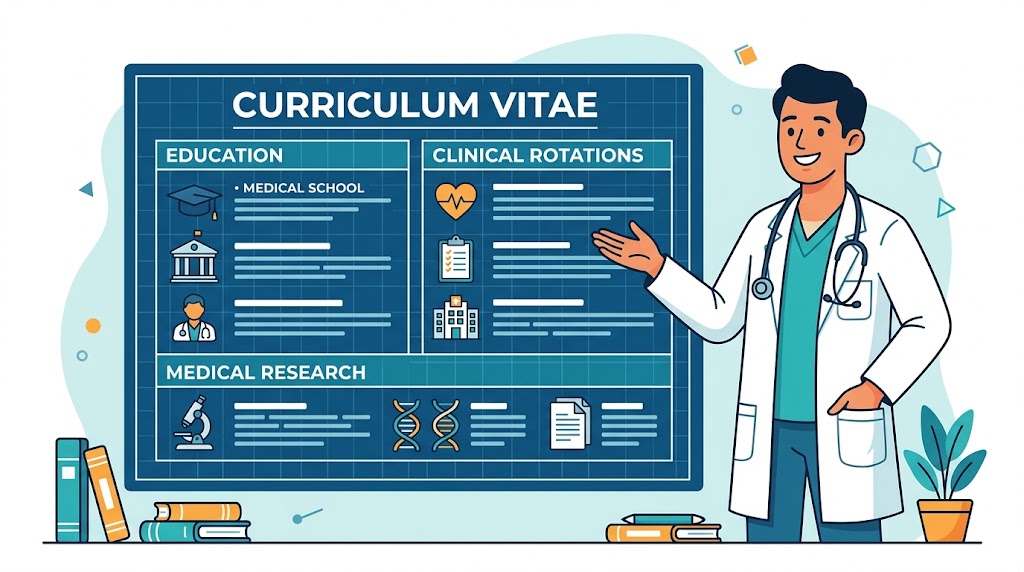
How long should a curriculum vitae be? For the vast majority of professionals, a two-page maximum is ideal. Fresh graduates and entry-level applicants should condense their experience onto a single, high-impact page. Only academics, medical professionals, or C-suite executives should exceed the two-page limit to accommodate extensive publications or board memberships.
What is the difference between a resume and a CV? In the United States, a resume is a concise summary of your skills and experience tailored for a specific corporate job, while a CV is a lengthy, detailed document used primarily in academia and research. However, in Europe, the UK, and the Middle East, the terms are largely interchangeable and refer to the standard professional job application document.
Should I include hobbies and interests? Only include hobbies if they directly reinforce your professional narrative or demonstrate highly relevant soft skills. For example, mentioning that you captain a local sports team highlights leadership and teamwork, whereas passively watching movies adds no actionable value to your application.



Leave a Reply