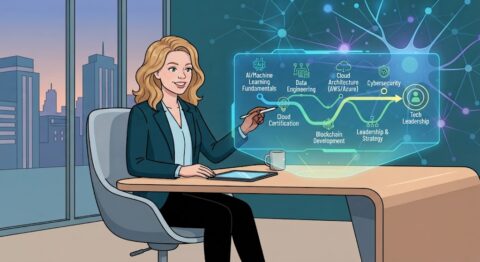
The Ultimate 7-Step Blueprint to Skyrocket Your Career with an MSc Artificial Intelligence Online
The modern corporate landscape is undergoing a radical transformation, and positioning yourself at the forefront of this shift requires strategic upskilling. Earning an msc artificial intelligence online is no longer just an academic milestone; it is a critical career accelerator. Many mid-level professionals and tech enthusiasts struggle to break the glass ceiling in their respective industries due to a lack of advanced, specialized credentials. This comprehensive blueprint will guide you through the exact strategies needed to leverage advanced education for executive-level opportunities. By understanding how to market your newly acquired technical prowess, you can seamlessly pivot into high-paying, remote tech roles.
Key Takeaways:
* Mastering AI concepts opens doors to lucrative, future-proof corporate leadership roles.
* Structured online learning allows for strategic upskilling without massive career interruption.
* Properly optimized resumes can effortlessly bypass rigorous algorithmic ATS filters.
* Soft skills combined with hard tech knowledge create absolutely unstoppable candidates.
* Transitioning from non-technical backgrounds is highly feasible with the right roadmap.
Why an MSc Artificial Intelligence Online is the Secret to Future-Proofing Your Resume
Navigating the hyper-competitive job market requires more than just a standard bachelor’s degree and a positive attitude. Pursuing an msc artificial intelligence online signals to top-tier employers that you are deeply committed to continuous learning and technological mastery. Companies are aggressively hunting for talent capable of deploying machine learning models, automating complex workflows, and interpreting massive datasets. The financial incentives for this expertise are staggering. For instance, recent industry analyses reveal that workers equipped with specialized AI skills can command up to 56% higher wages compared to their peers. By enrolling in accredited AI master’s programs, you instantly elevate your professional brand and differentiate yourself from the saturated pool of generalist candidates. Furthermore, the flexibility of remote AI education allows you to apply theoretical concepts directly to your current job in real-time. This immediate practical application acts as a powerful leverage point during salary negotiations and performance reviews, proving your direct impact on the company’s bottom line.
Core Technical and Soft Skills You Must Master for AI Leadership Roles
Stepping into an artificial intelligence leadership position demands a unique hybrid of hardcore technical abilities and refined emotional intelligence. On the technical side, you must build extreme proficiency in Python, deep learning architectures, and natural language processing applications. However, simply writing flawless code will not secure a promotion to the executive suite. True AI leaders excel in translating complex algorithmic outputs into actionable business strategies that stakeholders can easily digest. You must cultivate a deep understanding of AI job market trends to anticipate industry shifts before they happen. Additionally, empathy and ethical judgment are becoming non-negotiable traits when designing autonomous systems that impact human lives. Employers actively seek candidates who can balance rapid technological innovation with rigorous ethical standards and risk mitigation. For those eager to refine their holistic professional profile, focusing heavily on leadership communication is just as vital as mastering tech interview preparation. Bridging the gap between data scientists and business executives is the ultimate hallmark of a high-value technology leader.
How to Leverage Your AI Degree to Bypass Strict Applicant Tracking Systems (ATS)
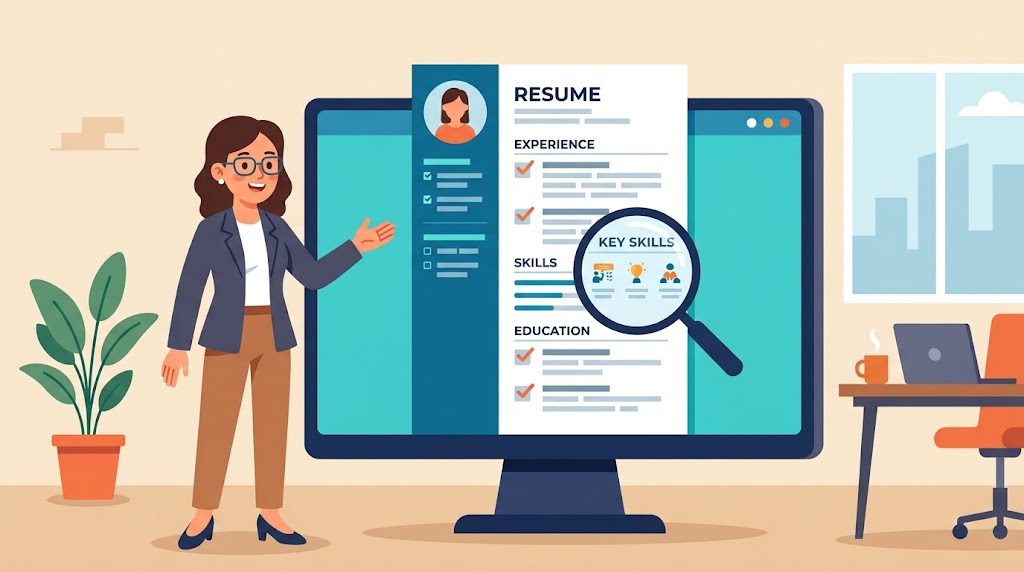
The most sophisticated degree in the world is entirely useless if your resume cannot survive the initial algorithmic screening process. Modern Applicant Tracking Systems (ATS) are specifically programmed to hunt for exact keyword matches, contextual relevance, and demonstrable impact. When formatting your resume after completing your advanced studies, avoid burying your newly acquired credentials at the very bottom of the document. Instead, strategically place high-value phrases like “machine learning algorithms,” “predictive modeling,” and “neural network architecture” within your professional summary and experience bullet points. Moreover, quantify your academic projects by highlighting the exact efficiency gains or accuracy percentages your models achieved. Recruiters are obsessed with measurable outcomes rather than vague descriptions of coursework. By injecting specific tech upskilling strategies into your resume, you signal immediate value. Ensure that your document maintains a clean, single-column format without complex graphics, as heavily designed templates often confuse ATS parsers. Ultimately, treating your resume like a highly optimized dataset will dramatically increase your interview callback rates.
Career Transition Strategies for Non-Technical Professionals Entering the AI Space
You do not need a traditional computer science background to successfully pivot into the artificial intelligence sector and thrive. Many of the most effective AI product managers, ethics officers, and business strategists transition from completely unrelated fields like psychology, marketing, or finance. The key to a successful pivot lies in framing your past experience as a unique asset rather than a glaring deficit. For example, a background in behavioral psychology provides an incredible foundation for designing intuitive conversational AI and understanding user experience constraints. When making this transition, focus on building a robust portfolio of real-world projects that solve tangible business problems. Start by automating small, tedious tasks in your current non-technical role and meticulously document the results. This proactive approach proves to hiring managers that you possess a problem-solving mindset and immense initiative. Furthermore, engaging actively in an artificial intelligence career path requires relentless networking. Connect with industry veterans on LinkedIn, attend virtual hackathons, and demonstrate an insatiable curiosity for intelligent systems.
Red Flags to Avoid When Selecting an Online Tech Masters and Pitching It to Employers
Not all remote educational programs are created equal, and choosing the wrong curriculum can severely damage your professional reputation. One massive red flag is a program that focuses entirely on theoretical concepts without requiring a comprehensive, hands-on capstone project. Employers want to see a tangible portfolio of deployed models, not just a list of passed examinations. Additionally, be wary of institutions that lack partnerships with major tech companies or fail to provide robust career placement services. When pitching your educational journey to your current employer, never frame it as a stepping stone to leave the company. Instead, present your upskilling as a strategic initiative designed to solve internal bottlenecks and drive immense revenue growth.
Watch this expert breakdown on pitching tech education to leadership:
By clearly demonstrating how your new skills will directly benefit the organization’s immediate goals, you increase the likelihood of securing corporate tuition sponsorship. Transparency, alignment with company objectives, and a relentless focus on maximizing corporate ROI are absolutely crucial when discussing advanced tech education with senior leadership and key stakeholders.
FAQ: Frequently Asked Questions About Advancing Your Career in Artificial Intelligence
How can I ensure my resume highlights my newly acquired technical skills?
You must lead with impact by quantifying every single project you completed during your studies. Use exact metrics, name the specific frameworks deployed, and place a dedicated technical skills section near the top of your resume to ensure immediate visibility.
Will employers respect an online machine learning degree earned entirely through a remote format?
Absolutely, provided the institution is properly accredited and recognized within the tech industry. Modern hiring managers care significantly more about your verifiable portfolio, problem-solving capabilities, and coding assessments than the physical location of your university campus.
What is the fastest way to gain practical experience while studying?
Leverage open-source platforms like GitHub and Kaggle to collaborate on live projects. Building solutions for real-world datasets and participating in global tech competitions will rapidly accelerate your practical knowledge and give you concrete achievements to discuss during high-stakes job interviews.


Leave a Reply