
7 Proven Strategies to Leverage a Masters in Supply Chain Management Online in 2027

In today’s hyper-connected global economy, ambitious professionals are constantly seeking strategic ways to stand out in the highly competitive logistics sector. Securing a masters in supply chain management online is no longer just a mere academic milestone; it is a vital career asset that signals your absolute readiness for executive leadership and complex organizational problem-solving. This advanced credential equips you with the crucial foresight needed to navigate global disruptions, master high-stakes vendor negotiations, and significantly optimize distribution networks. However, simply possessing the degree is only half the battle won. The real challenge lies in how effectively you position this qualification on your professional resume and during high-pressure executive interviews. In this comprehensive masterclass, we will unpack actionable, proven strategies to maximize the return on your educational investment. We will explore exactly how to bypass automated screening systems and present yourself as the indispensable, forward-thinking leader that top-tier corporate organizations desperately need right now.
Key Takeaways:
– Learn how to strategically format your online degree to guarantee it passes strict ATS algorithms effortlessly.
– Discover the exact strategic leadership skills corporate recruiters actively look for in supply chain executives.
– Understand the major human resources red flags that can immediately disqualify advanced degree holders.
– Gain actionable, insider tips for effortlessly weaving your deep academic knowledge into compelling interview answers.
How the Global Logistics Landscape Evaluates Advanced Credentials
The elite recruitment landscape for supply chain professionals has evolved drastically over the last few transformative years. Hiring managers are no longer solely focused on years of basic operational experience; they are actively searching for candidates who possess advanced strategic thinking, rapid analytical prowess, and incredible agility in the face of sudden supply chain bottlenecks. By pursuing a robust advanced education, you firmly demonstrate an unwavering commitment to mastering complex frameworks such as Lean Six Sigma, advanced demand forecasting, and global inventory optimization. Employers fully understand that successfully completing a rigorous academic program requires exceptional time management and intense dedication, especially when carefully balanced alongside demanding full-time work commitments. Consequently, they view this profound academic achievement as a very strong indicator of your future executive leadership potential. According to authoritative labor market data published by the Bureau of Labor Statistics, employment in this specific logistics management career sector is experiencing much faster than average growth nationwide. To truly capitalize on this immense market demand, you must actively and intelligently translate your advanced academic coursework into tangible, measurable business outcomes that directly align with the hiring company’s immediate operational profitability goals.
Optimizing Your CV: Formatting Your Masters in Supply Chain Management Online for ATS
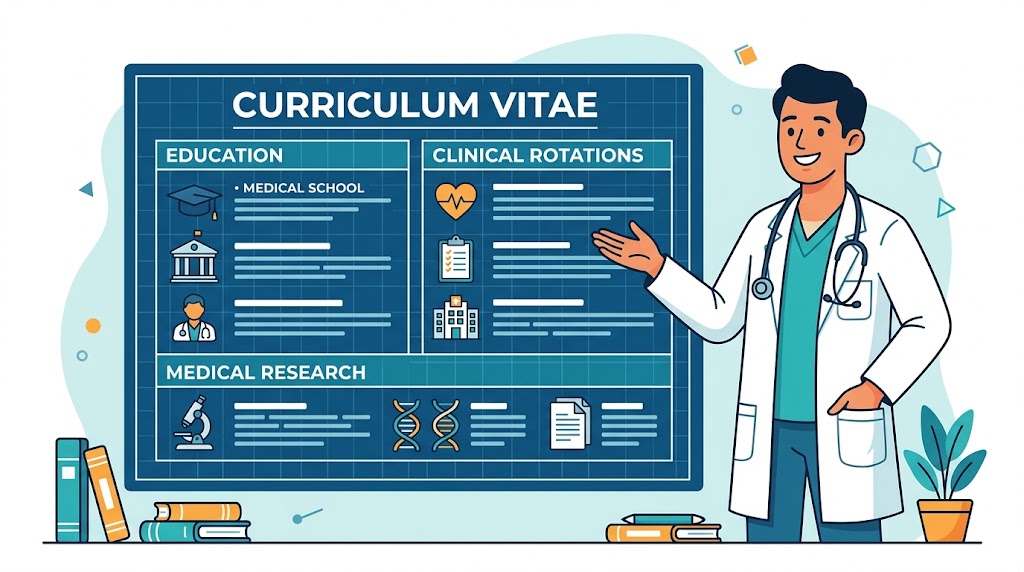
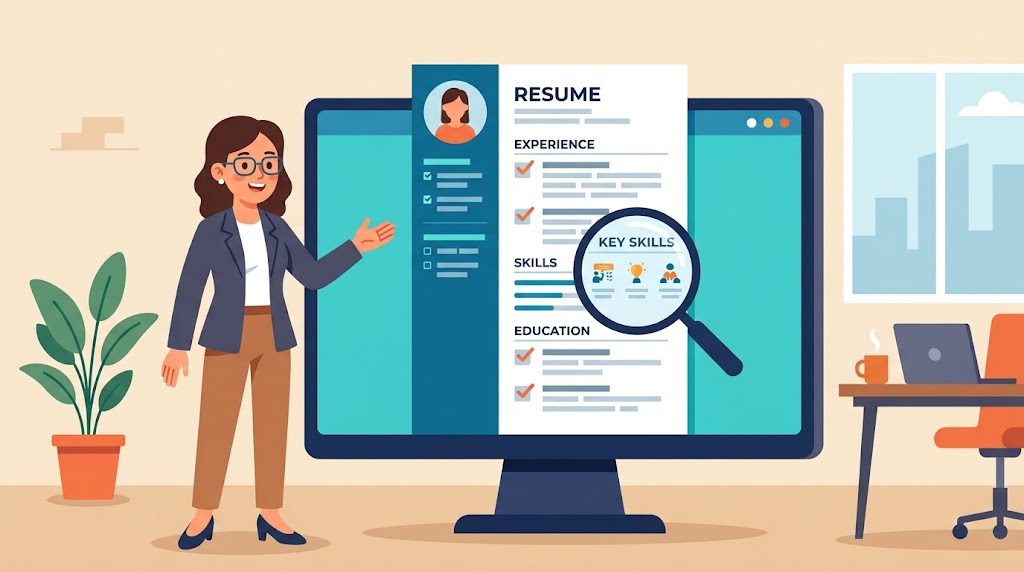
Successfully navigating the complex Applicant Tracking System (ATS) is absolutely critical when you want to highlight your advanced qualifications to potential employers. Far too many highly qualified, exceptional candidates fail to ever reach human recruiters simply because their modern resumes are poorly formatted or lack the precise keyword density required by these rigid algorithms. When properly listing your masters in supply chain management online, it is essential to use very clear, standardized headings such as “Education” and strictly avoid placing critical academic information inside document headers or footers, which many older ATS parsers simply cannot read. You should list the full, official name of the degree, the accredited institution, and your confirmed graduation date very clearly. Furthermore, rather than simply listing the bare degree, include a powerful sub-bullet highlighting your most relevant coursework, such as “Global Logistics Strategy” or “Procurement Risk Management,” which directly mirror the specific target job description. This smart strategy naturally incorporates vital industry keywords and beautifully demonstrates the practical applicability of your deep education. For further, step-by-step insights on perfectly structuring your professional background, we highly recommend that you review our complete tutorial on building an ATS friendly resume to ensure maximum corporate visibility.
Core Strategic Skills to Highlight During High-Level Executive Interviews
When interviewing for lucrative senior supply chain leadership roles, the entire conversation must quickly shift from basic operational tasks to high-level strategic vision. Corporate interviewers already know you thoroughly understand basic logistics; they desperately want to see exactly how you mitigate massive risks, radically reduce overhead costs, and build deeply resilient global vendor relationships. Your advanced master’s degree has highly equipped you with theoretical models for comprehensive risk assessment and robust change management. During the actual interview, you must articulate precisely how you intend to apply these complex models to messy, real-world workplace scenarios. For example, instead of merely saying you heavily studied advanced demand forecasting, carefully explain how your deep knowledge of predictive data analytics can directly help the company reduce excess warehouse inventory by a specific, measurable percentage. You should also strongly emphasize your unique ability to fluently communicate complex supply chain metrics to non-technical stakeholders, such as the CFO, board of directors, or CEO. Highlighting your proven expertise in advanced strategic sourcing, data-driven decision making, and dynamic cross-functional team leadership will clearly separate you from ordinary candidates who only possess tactical, on-the-ground experience. Ultimately, your core goal is to present yourself as a highly proactive, indispensable problem solver who consistently drives explosive revenue growth.
Transitioning to Global Procurement and Remote Logistics Leadership
The rapid, global shift towards remote supply chain jobs has opened up truly unprecedented, highly lucrative opportunities for driven professionals heavily equipped with advanced strategic training. Effectively managing a massive global supply chain from a remote home environment requires a highly unique, specialized blend of extreme digital fluency, empathetic cross-cultural communication, and advanced Agile project management skills. Your robust academic background has undoubtedly trained you to quickly utilize sophisticated enterprise resource planning (ERP) software ecosystems and dynamic collaborative digital platforms. When actively applying for remote leadership positions, strongly emphasize your proven ability to meticulously monitor international shipping routes, aggressively negotiate with overseas suppliers, and seamlessly oversee virtual logistics teams spanning across multiple different time zones. Employers hiring for these competitive remote logistics roles are particularly interested in candidates who can flawlessly maintain peak operational continuity without ever requiring a physical presence on the noisy warehouse floor. By detailing specific case studies or massive capstone projects where you successfully managed complex, heavily decentralized distribution networks, you seamlessly provide concrete, undeniable evidence of your complete readiness for remote leadership. This highly proactive, results-based approach quickly reassures anxious hiring managers that you can easily maintain high corporate productivity and drive massive supply chain efficiency from absolutely any location worldwide.
Critical HR Red Flags and Mistakes to Avoid During the Hiring Process
Despite rightfully holding an incredibly impressive academic credential, many brilliant candidates inadvertently sabotage their own job applications by committing common, easily avoidable HR mistakes. One of the absolute most significant red flags is adopting an overly academic, rigid, or accidentally arrogant tone in your professional resume and cover letter. While you should certainly be immensely proud of your intense advanced education, framing yourself as someone who magically knows better than the experienced existing team can instantly alienate potential workplace colleagues. Another truly major mistake is heavily relying entirely on your degree alone to secure the job, completely neglecting to highlight the gritty, practical, hands-on experience you have accumulated over the challenging years. Recruiters often deeply worry that smart candidates with advanced degrees might be “too theoretical” and completely lack the necessary mental grit for brutal, day-to-day operational firefighting. To permanently avoid this dangerous pitfall, you must carefully strike a perfect balance. Always frame your impressive academic achievements as highly sharpened tools that directly enhance your practical skills, not as replacements for them. Always strictly focus on how your comprehensive, deep understanding of advanced supply chain leadership roles strategically translates directly into actionable, immediate cost-saving initiatives for the entire business.
Watch this expert breakdown on avoiding crucial resume mistakes and building a six-figure logistics career:
Navigating the “Theoretical vs. Practical” Trap in Your Cover Letter
Your professional cover letter is the absolute perfect venue to seamlessly bridge the perceived gap between high-level academic theory and flawless practical execution. A surprisingly common error among recent ambitious graduates is repeatedly dedicating far too much valuable space to detailing their complex coursework and massive thesis topics, rather than directly addressing the targeted employer’s specific, painful operational pain points. To navigate this dangerous trap successfully, you must strictly use the proven “Problem-Action-Result” framework. Begin by quickly identifying a massive current challenge the target company is likely facing in its supply chain operations—perhaps experiencing excessive shipping delays, soaring procurement costs, or frequent inventory stockouts. Next, vividly explain the very specific, calculated action you would actively take to resolve this costly issue, explicitly linking this precise action to an advanced leadership strategy you mastered during your intensive studies. Finally, confidently project a positive, highly measurable financial result. For instance, you might clearly explain how successfully applying advanced network optimization techniques will immediately streamline their sluggish distribution channels by twenty percent. By strictly focusing on actionable business solutions rather than merely listing your past academic achievements, you clearly demonstrate to the stressed hiring manager that you are a highly pragmatic, deeply results-oriented professional ready to tackle their most pressing logistical challenges from day one.
Frequently Asked Questions on Maximizing Your Logistics Career ROI
Many seasoned professionals have lingering, important questions regarding the absolute best way to utilize their newly acquired advanced degrees in today’s fiercely competitive job market. A highly common question is whether top-tier employers value online credentials as highly as traditional, on-campus degrees. The overwhelming consensus in modern corporate HR is that the specific mode of delivery matters far less than the official accreditation of the institution and the sharp candidate’s proven ability to apply the complex knowledge practically on the job. Another incredibly frequent inquiry deeply revolves around navigating salary expectations and demanding proper compensation. While securely having an advanced degree can significantly boost your overall earning potential, you must actively and confidently negotiate your starting salary by clearly demonstrating the massive, tangible ROI you will immediately bring to the organization. Elite candidates also frequently ask how to safely pivot into a totally new industry using their impressive degree. The critical key here is to strictly focus on highly transferable skills, such as advanced risk management, ruthless vendor negotiation, and rapid process optimization, which are incredibly sought after across massive manufacturing, global retail, healthcare, and technology sectors. By highly strategically framing your dynamic education during the all-important procurement interview prep phase, you powerfully position yourself as a highly versatile, incredibly high-value asset in absolutely any demanding corporate environment.



Leave a Reply