
Best Steps in Our Ultimate Interview Preparation and Career Positioning Guide
Walking into a high-stakes hiring room without a deliberate interview preparation and career positioning guide is the fastest way to blend into a sea of forgettable applicants. Modern recruiters do not simply hire the person with the longest list of past duties; they hire the specialist who frames their background as the exact remedy to an immediate organizational bottleneck.
True career positioning transforms you from a passive job seeker hoping for approval into a high-value consultant evaluating a mutual partnership. Before we dive into the tactical execution, review these core takeaways that anchor every successful hiring campaign:
• Lead With a Unified Candidate Value Proposition: Every answer must reinforce the central business problem you solve rather than reciting chronological resume history.
• Anchor Stories in Measurable Proof: Replace vague claims of hard work with structured behavioral interview storytelling backed by concrete operational outcomes.
• Control the Conversational Frame: Use strategic reverse-interviewing questions to demonstrate executive presence in interviews and diagnose team priorities in real time.

Decoding the Modern Hiring Matrix: Aligning Your Value Proposition With Employer Needs
Every open requisition exists because a department is experiencing friction, whether from uncaptured revenue, stalled product launches, or operational inefficiency. When researching company pain points before a panel interview, your primary objective is to uncover the unwritten commercial pressure behind the public job post.
Analyze recent quarterly updates, leadership announcements, and competitor shifts to understand how the target role generates return on investment. Crafting a sharp candidate value proposition requires linking your three strongest technical or leadership strengths directly to those upcoming departmental initiatives.
When you open the conversation by speaking the language of their internal stakeholders, hiring managers immediately categorize you as a low-risk, rapid-onboarding asset. Rather than waiting for the panel to connect the dots between your past titles and their current needs, you build the bridge for them in every response.
Applying an Interview Preparation and Career Positioning Guide to Competency Mapping
Structured hiring panels evaluate candidates using standardized competency scorecards to minimize bias and verify role readiness. By following a systematic interview preparation and career positioning guide, you can reverse-engineer these scorecards directly from the job description before your first screening call.
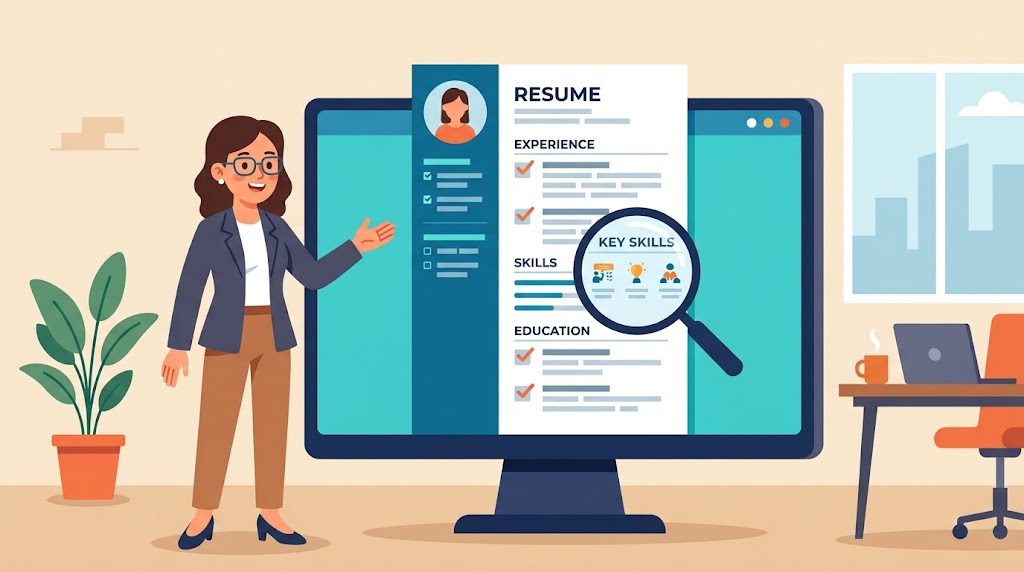
Start by ensuring your written materials achieve full applicant tracking system alignment through our ATS-friendly resume optimization blueprint so human evaluators see the exact keywords they grade during live interviews. Highlight the top five recurring skills in the posting and categorize them into technical execution, cross-functional leadership, and problem-solving under ambiguity.
Once you isolate these core pillars, build a dedicated matrix pairing each competency with two distinct workplace case studies from your recent history. This step-by-step interview preparation checklist for professionals guarantees you never freeze when a recruiter probes for specific behavioral evidence.
Translating Resume Metrics Into Live Verbal Proof Points for Screening Panels
Knowing how to align resume achievements with interview answers is critical because bullet points on paper rarely convey the complexity of real-world execution. When an interviewer asks you to walk through a past project, avoid repeating your written summary verbatim and instead unpack the strategic trade-offs behind the metric.
Frame your verbal proof points using a before-and-after contrast: describe the baseline dysfunction you inherited, the diagnostic methodology you applied, and the verifiable business result. Providing context around resource constraints or tight deadlines makes your accomplishments believable and memorable to skeptical department heads.
Furthermore, practice virtual interview body language and camera positioning tips so your non-verbal delivery matches the authority of your metrics. Setting your webcam at eye level and speaking with measured cadence reinforces executive presence in interviews across both initial recruiter screens and final executive panels.
Mastering Behavioral Interview Storytelling With the STAR-L Framework
Answering tell me about yourself with career positioning sets the psychological trajectory for the entire evaluation. According to Harvard Business School Online interview preparation research, treating your opening statement as a tailored professional headline rather than a personal biography immediately establishes relevance and authority.
When transition prompts move into competency probing, upgrade the classic STAR method interview framework by adding a fifth element: Learning. Briefly establish the Situation and Task in under thirty seconds, dedicate sixty percent of your response to your specific Actions and quantifiable Results, and conclude with the strategic Learning you can apply to their organization.
Effective behavioral interview storytelling also demands precision with pronouns so evaluators know exactly what you drove personally versus what the broader team supported. Clarify your individual decision-making ownership while giving generous credit to cross-functional partners to demonstrate both leadership accountability and collaborative maturity.
High-Leverage Questions That Reframe Your Interview as a Peer Consultation
The final ten minutes of any evaluation offer a powerful opportunity to demonstrate how to position yourself for a senior role in an interview. Treating the closing question period as a mere formality signals low engagement, whereas asking diagnostic questions shifts the dynamic into a peer-level strategy session.
Prepare strategic questions to ask hiring managers at the end of an interview that uncover ninety-day performance benchmarks and organizational bottlenecks. For example, ask what differentiates a good performer from an exceptional contributor in the first six months, or inquire about the biggest obstacle the team faces in executing its annual roadmap.
Before concluding, always ask if there are any hesitations regarding your qualifications that you can clarify on the spot. This bold closing technique surfaces hidden objections immediately, giving you a final window to reinforce your interview preparation and career positioning guide narrative before the panel deliberates.
Critical HR Red Flags and Positioning Mistakes That Derail Qualified Candidates
Even highly credentialed professionals lose offers due to common behavioral interview mistakes that cost job offers during the final evaluation stages. The most damaging red flag is speaking poorly of former managers or disguising a cliché perfectionist trait as a genuine developmental weakness.
Another frequent misstep is raising compensation, perks, or remote flexibility demands during the first screening call before establishing your commercial value. Framing the opportunity purely around how it advances your personal ambitions rather than how you will solve the employer’s challenges signals a transactional mindset.
Watch this expert breakdown from Harvard Business Review on standing out and avoiding costly interview mistakes:
Finally, failing to prepare a concise, forward-looking explanation when learning how to overcome employment gaps during job interviews creates unnecessary doubt. Own your career transitions transparently, highlight continuous skill acquisition, and redirect the focus back to your immediate readiness to deliver results.
Frequently Asked Questions on Mastering Job Interviews and Career Positioning
• How early should I implement an interview preparation and career positioning guide before a scheduled interview? Begin auditing the company and rehearsing your five core competency stories aloud at least five to seven days in advance so your delivery sounds natural, confident, and conversational rather than memorized.
• How do I pivot my positioning if I do not meet every single qualification listed on the job posting? Redirect the interviewer’s attention away from minor tool gaps toward your proven track record of rapid skill acquisition, transferable problem-solving frameworks, and adaptable domain expertise.
• What is the best strategy for negotiating role expectations during final round interviews? Wait until the hiring team signals strong buying intent or extends an initial offer, then align compensation and resource discussions around the scope of measurable responsibilities you will own.


Leave a Reply